
Unlocking your potential - Fluid and Crystallized intelligence.

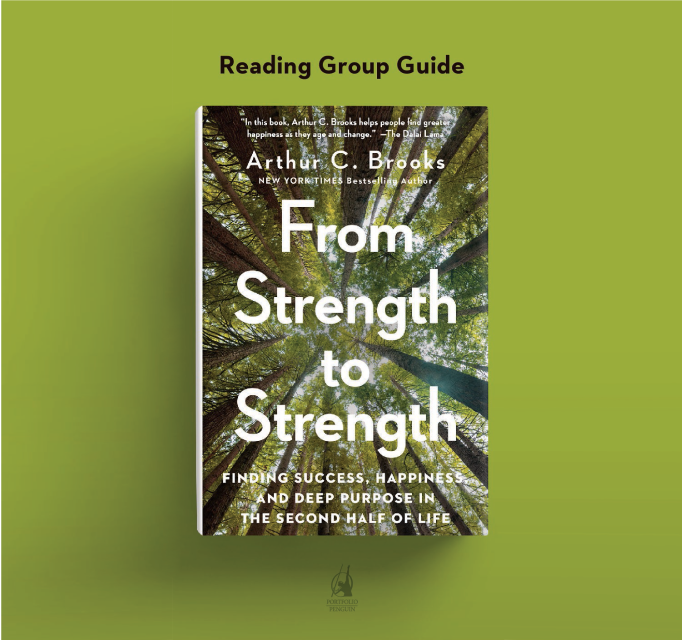
In "From Strength to Strength: Finding Success, Happiness and Deep Purpose in the Second Half of Life," Arthur C. Brooks explores the idea that the second half of life can be just as fulfilling, if not more so, than the first half. He argues that it is possible to find success, happiness, and deep purpose in the later years of life, and that this is achieved by embracing change, developing new skills, and giving back to others.
One of the key concepts that Brooks discusses in the book is the idea of fluid and crystallized intelligence. Fluid intelligence refers to the ability to think abstractly, solve problems, and learn new information. It is considered to be more malleable and can be improved with effort and training. Crystallized intelligence, on the other hand, refers to the accumulation of knowledge and skills that a person has acquired over time. It is considered to be more fixed and is less susceptible to improvement through effort or training.
Fluid intelligence can be demonstrated in real life by examples such as an individual who is good at learning new languages and solving complex math problems, or a young person who is good at solving crossword puzzles, Sudoku, and other logic puzzles. Crystallized intelligence, on the other hand, can be demonstrated by examples such as an individual who has a wealth of knowledge about a particular field, such as history or literature, or a young person who has a lot of knowledge about a particular topic, such as sports or politics.
Brooks suggests that in order to find success, happiness, and deep purpose in the second half of life, it is important to continue to develop fluid intelligence while also utilizing the crystallized intelligence that one has accumulated over the years. He encourages readers to seek out new challenges and opportunities, to take risks, and to give back to others in order to create a more fulfilling and meaningful life.
There are many ways to put crystallized intelligence to work, one of them is to start a consulting business, to mentor, to write a book, to teach, or to volunteer. All these examples are ways to apply the knowledge and skills that we've accumulated over the years in a meaningful way, not only for ourselves but for the benefit of others. It's a way to continue to be productive and make a difference in the world, even as we age.
In conclusion, "From Strength to Strength" is an insightful and inspiring book that encourages readers to embrace the second half of life and to make the most of the knowledge and skills they have acquired over the years. By developing both fluid and crystallized intelligence, individuals can find success, happiness, and deep purpose in the second half of life. So, whether you're just entering the second half of life or well into it, this book can be a valuable guide to help you make the most of the years ahead.
Gail x